 In the YA section of my local B+N.
Follow this blog. * Subscribe to posts *
Subscribe to comments * Follow me on Twitter * Subscribe by Email.
 In the YA section of my local B+N.
@fellowette P&P with 20th century dances at the ball - SO fun. Hard to look at Darcy the same now. http://trunc.it/nqh5 starting at 2:10
The plot continues in this manner—Lizzie, Darcy, zombies, blah, blah, blah—until the end, and there isn’t much more to say about it, except to reiterate is awfulness. The experience of reading it is like taking a walk in a park on a beautiful day and knowing that a thunderstorm or something else deeply unpleasant (say, a zombie) might spring up at any moment and ruin everything. In this instance, the something unpleasant is Grahame-Smith’s writing. But perhaps I’m being too harsh: I met a fan of the book last weekend who praised it as “an intelligent fart joke.”
 NetherfieldPark narrates the tale.

 Lizzy_Bennet has a liveliness of spirit which is most enchanting.
 mister_darcy has a manner that some mistake for proud.
 Mr_Collins pontificates about his patroness.
 PemberleyEstate has a beautiful prospect looking down on a lake.
 |


 Pride and Prejudice and Zombies: The Classic Regency Romance - Now with Ultraviolent Zombie Mayhem! by Seth Grahame-Smith
At chain store Fnac, the novel is described as the "favourite book of Bella and Edward, the two heroes of Twilight!" Teenage fansites are buzzing with chat about the book. "Fan de bella" thought it was "GENIAL" and "couldn't stop crying it was so beautiful", while "Flora" from Strasbourg said she'd "adored" it for its "unparalleled violence", its "mad poetry" and "profound passion". "Bella is the dignified descendent of the romantic Victorian heroine, which is seen in her sometimes disproportionate, slightly mad reactions, which are reminiscent of a certain Catherine," said a third commentator.

 Here are the results, in order of popularity:
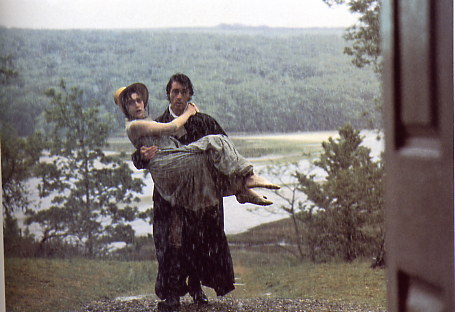
 Oh no! It is an ever fixed mark that looks on tempests and is never shaken. Willoughby. Willoughby. Willoughby.") His finest work might be on Materpiece Theater: in Madame Bovary, he shows his bare ass off as Rodolphe, consummating his love with Emma Bovary in a forest (with horses nearby. They were out riding, you see.). And he also "takes" Nan St. George, corsets and all, in the midst of a cornfield in TV's turgid adaptation of Wharton's "The Buccaneers". No wonder Emma Thompson loves him so!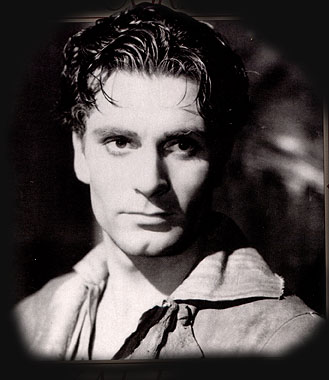
 Alright, so the was in worst movie ever ever ever (Miami Vice). But his performance as Captain Wentworth in Persuasion was so so so finely wrought, un-Hollywood, and sexy in a subdued way that we finally root for him over the more traditionally dishy Mr. Eliot (more on that lothario in the previous installment). Plus, he makes a wild and passionate Edward Rochester in Jane Eyre, he's a kick-ass julius Caesar on "Rome", and he dared to play the Mayor of Casterbridge, one of Hardy's most depressing characters (other than obscure old Jude), which speaks to his integrity and craft and all that other important actor-y stuff.

 Fellow-ette. ~Sarah Marian S., freelance writer and adorer of all things leftist and literary. ~About this blog~
Follow this blog.
Subscribe to posts
Subscribe to comments
Follow me on Twitter
Subscribe by Email.
Fellow-ette. ~Sarah Marian S., freelance writer and adorer of all things leftist and literary. ~About this blog~
Follow this blog.
Subscribe to posts
Subscribe to comments
Follow me on Twitter
Subscribe by Email.


